Feasibility Study for
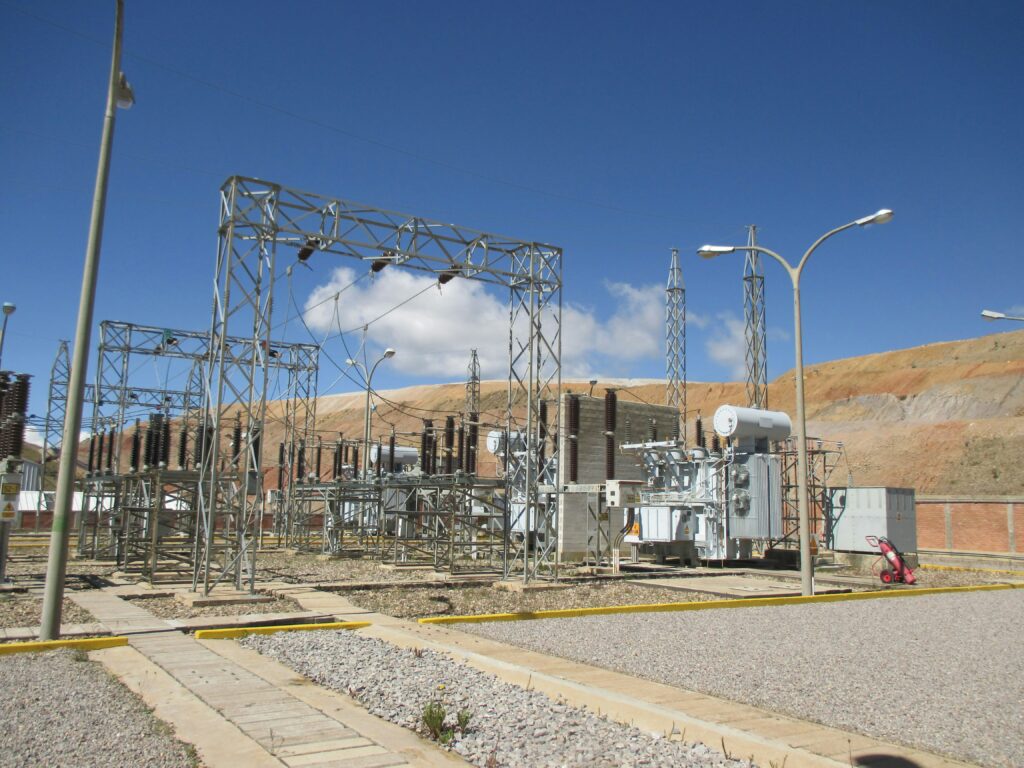
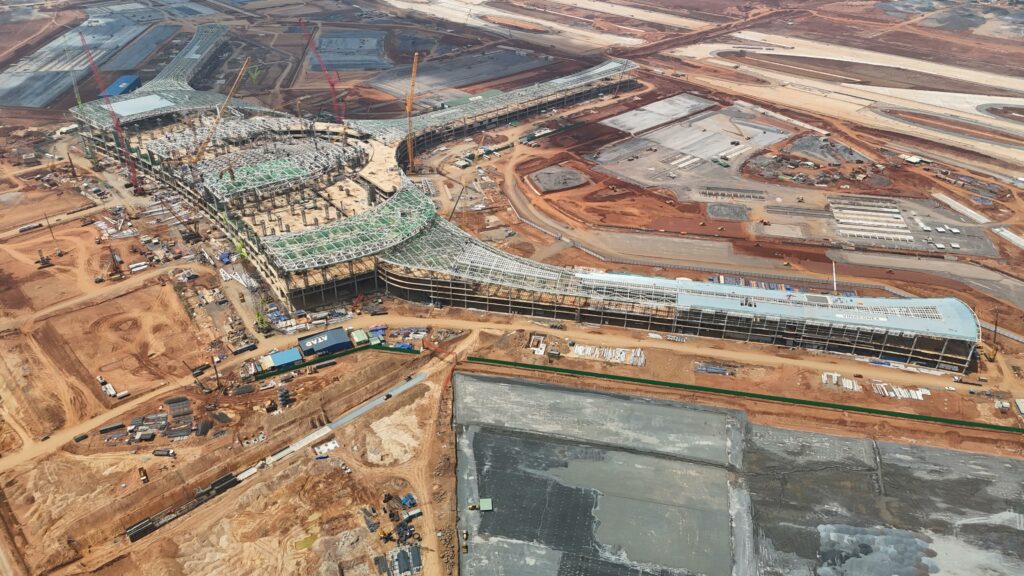
a 500MW Energy Infrastructure Project
Description:
An international consortium developing a large-scale energy infrastructure project in the Middle East.
Challenge:
The client was evaluating a proposed 500MW facility requiring over USD 850 million in capital investment. They needed a comprehensive feasibility assessment before approaching local authorities and committing capital. The project involved complex technical specifications, a volatile commodity market, and unfamiliar regulatory requirements in the host country.
Approach:
Techvisor delivered a full feasibility study covering market analysis (supply dynamics, pricing trends, competitive landscape, and regulatory environment), technical assessment (equipment specifications, infrastructure design, and operational requirements), and a detailed financial model. The model included CAPEX and OPEX build-up, cash flow projections across a 5-year lifecycle, and three full scenarios (base, optimistic, and worst case) with NPV, IRR, WACC, ROI, and break-even analysis. A comprehensive risk register with mitigation strategies was included.
Result:
The feasibility study provided the client with a clear, data-backed investment case. The study was subsequently used to support regulatory discussions with local authorities.
Revenue & Inventory Optimisation for a Food Service Business
Description:
A bakery in Portugal looking to improve profitability and reduce waste.
Challenge:
The owner knew the business was profitable overall but had no visibility into which products were making money and which were being overproduced and wasted. Decisions about what to bake and how much to stock were based on intuition rather than data.
Approach:
Techvisor collected and structured the bakery’s sales and cost data in Excel. The analysis covered revenue by product, cost per unit, margin by product, and stock movement over time. This identified which products were consistently overstocked and which were high-margin performers being underproduced. The findings were delivered with specific recommendations on production volumes, product mix, and pricing adjustments.
Result:
The owner received a clear picture of product-level profitability for the first time. The analysis identified specific products that were being overproduced and recommendations to reallocate production toward higher-margin items. All analysis was delivered in Excel so the owner could continue tracking performance independently.
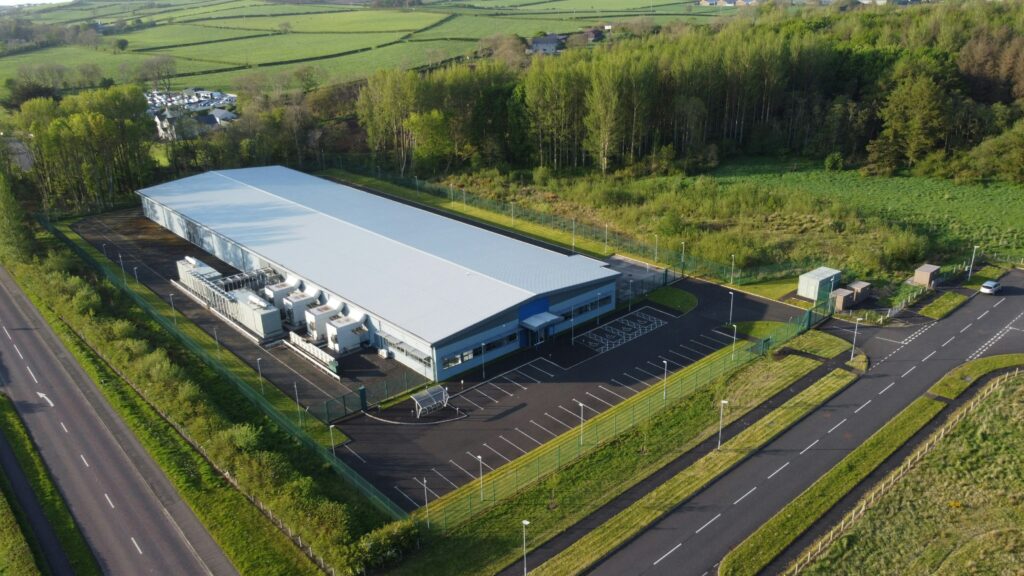
Investment Case for a USD 864M Data Center Project
Description:
A technology company seeking government approval for a colocation data center in the Middle East.
Challenge:
The client needed to submit a formal economic feasibility case to the national Ministry of Transport, Communications and Information Technology. The submission required a structured financial model, sensitivity analysis across multiple variables, compliance mapping, ESG frameworks, and workforce development plans — all formatted to a government-mandated template with extensive annexes.
Approach:
Techvisor built a complete investment case including a DCF valuation on both project and equity basis, DSCR analysis across five leverage scenarios, and sensitivity tables covering pricing, WACC, CAPEX, utilisation, and energy cost variations. The submission document included project overview, regulatory compliance narratives, ESG metrics and sustainability targets, in-country value and workforce plans, a top-10 risk register, and detailed financial annexes. All content was formatted to the government’s mandated template.
Result:
The submission presented a project IRR of 19–20%, an equity NPV of approximately USD 398 million. The financial model demonstrated bankability at up to 35% debt with a minimum DSCR above 1.0. The complete submission package was delivered ready for filing.
Client Retention & Payment Tracking for a Healthcare Practice
Description:
A physiotherapy clinic in Portugal seeking to understand client behavior and improve revenue collection.
Challenge:
The clinic was growing but the owner had no structured view of client retention. They didn’t know how many new clients they were acquiring each month, how many were returning, or how much revenue was being lost to unpaid sessions. Financial decisions were based on bank balance, not data.
Approach:
Techvisor analyzed the clinic’s customer database to build a complete picture of client behavior. The analysis tracked monthly new client acquisition, returning client rates, client churn patterns, and session frequency. A parallel analysis of the payment records identified outstanding payments, ageing patterns, and the total revenue gap from uncollected fees.
Result:
The clinic owner gained clear visibility into client retention dynamics and the financial impact of uncollected payments. The analysis revealed specific months with acquisition drops and highlighted the total outstanding revenue. Recommendations included a structured follow-up process for payments and targeted retention actions for high-value client segments.